Deciding between roof repair and roof replacement in Orlando, FL is a major decision for any homeowner. Your roof protects your home from heavy rain, intense heat, and hurricane-force winds. Making the right choice can save you thousands of dollars and prevent future structural damage. Let’s break down everything you need to know in a simple and practical way.
That’s why it’s crucial to consult with a roofing professional. At Rhino Roofing Orlando, we specialize in roof repairs, but we’ll always be honest with you if replacement is the smarter option for your home.
Let’s dive deeper into how to make the right call for your roof.
Why This Decision Matters in Orlando, Florida
Orlando’s climate is tough on roofing systems. The combination of strong UV rays, heavy rainfall, humidity, and hurricane season causes roofing materials to wear down faster than in many other states.
Because of this, homeowners must carefully evaluate whether a repair is enough or if replacement is the smarter long-term investment. Acting early can prevent small issues from turning into major and expensive problems.
Understanding the Age and Material of Your Roof
The first thing to consider is your roof’s age and the material it’s made from. Here in Orlando, we see a variety of roofing types, and each one has its own life expectancy:
- Asphalt shingles: 15–25 years
- Tile roofs (concrete or clay): 40–50+ years
- Metal roofs: 40–70 years
If you’re unsure how old your roof is, a professional inspection can usually give you a good estimate. As your roof approaches the end of its expected lifespan, it becomes more vulnerable to weather damage and more expensive to maintain. If you find yourself constantly calling for repairs, that’s a strong sign it’s time to consider a full roof replacement.
Lifespan of Common Roofing Materials in Florida
Different roofing materials perform differently in Florida’s environment. Asphalt shingles typically last 15–25 years, tile roofs can last 40–50 years, and metal roofs may last 40-70 years.
However, these numbers can vary depending on installation quality and maintenance. If your roof is nearing these limits, replacement may be more cost-effective than repeated repairs.
Assess the Extent of the Damage
Not all roof damage requires full replacement. Minor issues can often be repaired quickly and affordably if addressed early.
However, widespread damage, structural issues, or recurring leaks may indicate deeper problems. A detailed inspection will reveal whether the damage is surface-level or something more serious.
When Roof Repair Makes Sense
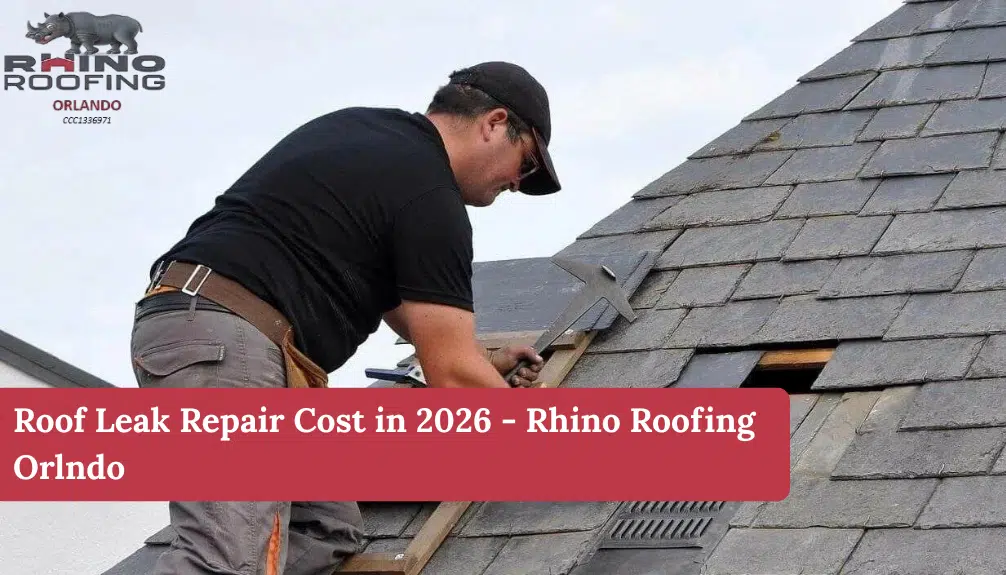
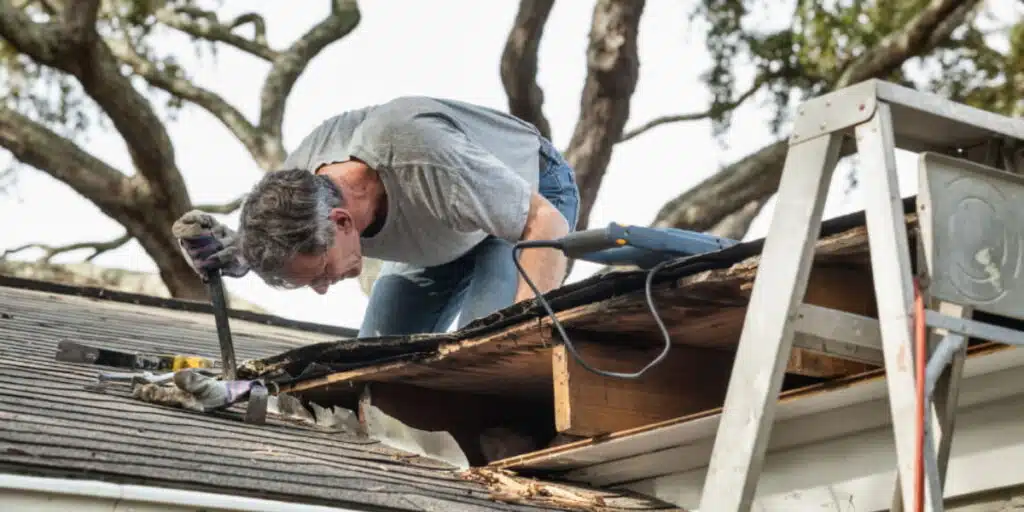
Roof repair is usually the best option when the issue is small and localized. Missing shingles, minor flashing problems, or a small leak can often be fixed without replacing the entire system.
- A few missing or cracked shingles
- Minor flashing damage
- Small, localized leaks
- Pipe boot or vent issues
- Storm damage affecting a small section
In these cases, a professional roof repair can extend your roof’s life and prevent further damage.
To see what our customers are saying about our work, check out our Google Reviews.
When Roof Replacement Is the Smarter Choice
If more than 25% of your roof is damaged, replacement is often recommended. Frequent leaks, sagging areas, and repeated repair calls are strong warning signs.
Replacing the roof provides a fresh start with modern materials, updated underlayment, and manufacturer warranties that give long-term peace of mind.
- Damage covers more than 25% of the roof
- Frequent recurring leaks
- Sagging roof decking
- Widespread shingle granule loss
- Major storm or hurricane damage
- Roof near end of lifespan
If repairs are becoming routine, you’re likely “buying time” rather than solving the problem.
Comparing the Cost: Repair vs Replacement
Repairs may seem cheaper upfront, but repeated fixes can add up quickly. Spending money year after year on temporary solutions may exceed the cost of a full replacement.
A new roof is a larger investment initially, but it increases property value, improves energy efficiency, and reduces ongoing maintenance expenses.
How Orlando’s Climate Affects Your Roof
Florida’s extreme heat dries out shingles and causes cracking or curling. Heavy rain and humidity can lead to moisture intrusion, mold, and rot.
During hurricane season, strong winds can lift shingles or break tiles. Over time, these weather conditions accelerate aging and make roof replacement more common in Central Florida.
Warning Signs You May Need a New Roof
There are several clear indicators that your roof may need replacement. Granules in gutters, cracked or curling shingles, water stains on ceilings, and sagging rooflines are serious red flags.
Here are the most common warning signs:
- Your roof is 15+ years old (shingles)
- Granules collecting in gutters
- Cracked, curled, or missing shingles
- Water stains on ceilings or walls
- Sagging roofline
- Mold or algae growth
- Daylight visible in attic
- Repeated leak repairs
If you notice multiple signs, schedule a professional inspection immediately.
The Risks of Delaying Repairs or Replacement
Ignoring roof problems rarely makes them go away. Small leaks can cause hidden water damage inside your attic and walls.
Over time, moisture can damage insulation, weaken structural components, and create mold issues. Addressing roof concerns early always reduces long-term costs.
Insurance and Storm Damage Considerations
If your roof was damaged during a storm, your homeowner’s insurance may cover part or all of the cost. Proper documentation and professional assessment are crucial when filing a claim.
Working with an experienced roofing contractor ensures the damage is correctly identified and presented to your insurance company.
Repair Now, Replace Later Strategy
In some situations, a short-term repair combined with a long-term replacement plan makes sense. This approach allows you to protect your home immediately while preparing financially for a future upgrade.
A professional roofer can help you understand whether a repair is truly buying you time or simply delaying the inevitable.
Choosing the Right Roofing Contractor in Orlando
Selecting a qualified contractor is just as important as choosing between repair and replacement. You want a licensed, insured company familiar with Florida building codes and hurricane-rated materials.
A trustworthy contractor will provide honest recommendations, transparent pricing, and clear explanations so you can make a confident decision.
Look for a company that is:
- Licensed and insured in Florida
- Experienced with Florida building codes
- Knowledgeable about hurricane-rated materials
- Transparent with pricing
- Backed by strong warranties
- Highly reviewed locally
A trustworthy contractor won’t pressure you into replacement if a repair is sufficient.
Why Many Homeowners Trust Rhinoroofing Orlando
Many Central Florida homeowners turn to Rhino Roofing Orlando for honest evaluations and quality workmanship. Their team understands the unique challenges Orlando roofs face and provides clear guidance without high-pressure sales tactics.
Schedule a Professional Roof Inspection
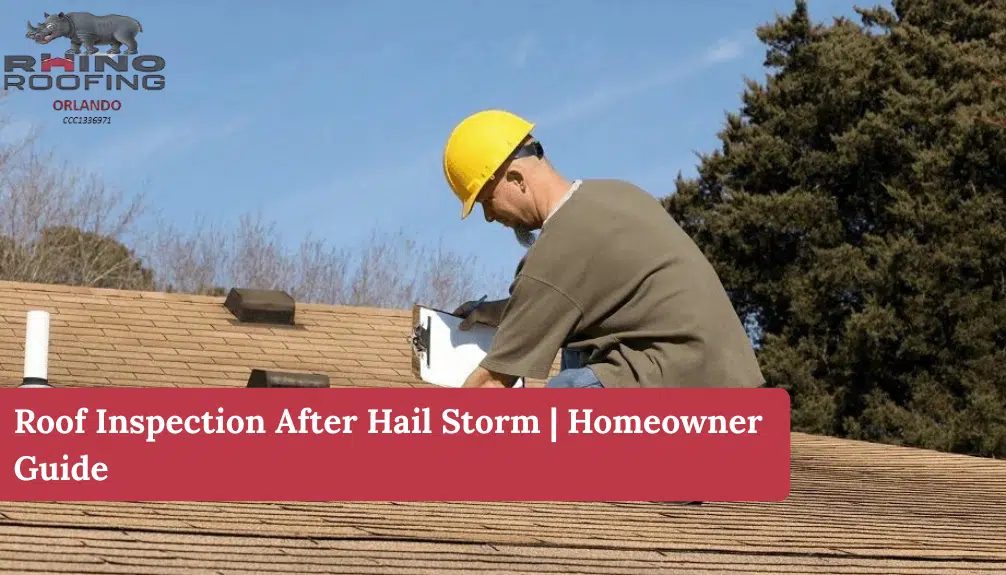
The best way to determine whether you should repair or replace your roof is through a professional roof inspection. An expert can assess your roof’s age, condition, and remaining lifespan.
If you’re unsure about the next step, contacting rhinoroofing orlando for a detailed evaluation can help you make the right choice with confidence.
Final Thoughts
Choosing between roof repair and roof replacement in Orlando, FL comes down to age, damage extent, and long-term financial planning. While repairs are ideal for minor issues, replacement may save you more money over time if your roof is aging or extensively damaged.
The key is acting early, getting a professional assessment, and making an informed decision before small problems turn into major repairs.