
Storms can damage your roof in just a few minutes. Hail can crack shingles, strong winds can tear materials away, and heavy rain can expose weak spots. If not repaired quickly, even small problems can lead to leaks, mold, and structural damage.
Storm damage roof repair should always be handled quickly to protect your home and avoid expensive repairs later. This guide explains how to identify damage, what steps to take, how insurance works, and when a full replacement makes sense.
Why Quick Roof Repairs Matter
Your roof acts as a shield against water, heat, and debris. When it gets damaged, moisture can seep into your attic and walls. This can lead to mold growth, wood rot, and damaged insulation. Fast roof storm damage repair helps prevent expensive interior repairs. Addressing problems early also protects your home’s value.
When a storm damages it, moisture can enter and cause:
- Ceiling stains
- Mold growth
- Rotting wood
- Damaged insulation
- Higher energy bills
Even minor roof storm damage repair can prevent major issues later. Acting fast saves money and reduces stress.
Common Types of Storm Roof Damage
Storm damage is not always obvious at first glance. Different weather conditions create different roofing problems. Identifying the type of damage helps determine the right repair solution. A professional roof inspection can confirm the severity and prevent future issues.
Different weather conditions cause different types of problems.
Hail Damage Roof Repair
Hail can create dents, cracks, and granule loss on shingles. Damage may not always be obvious from the ground. Signs include:
- Dark spots on shingles
- Dented gutters or vents
- Cracked flashing
- Loose roofing materials
Small hail damage can grow worse over time, leading to leaks.
Wind Damage Roof Repair
Strong winds can lift, curl, or completely remove shingles. When shingles are missing, the roof deck becomes exposed to moisture.
Look for:
- Shingles in your yard
- Loose flashing
- Torn roofing material
- Uneven roof lines
Wind damage should be repaired quickly to avoid water intrusion.
Roof Leak After Heavy Rain
Heavy rain can reveal weak areas in older roofs. Water stains on ceilings, wet attic insulation, or mold smells are common signs.
If your roof is 15 to 20 years old, damage from heavy rain may require more than simple repairs.
What to Do After a Storm
Taking the right steps after a storm helps minimize damage. Start by checking your property carefully and safely. Document everything you notice for insurance purposes. Acting quickly improves the chances of a smooth repair process. Professional help should be scheduled as soon as possible.
Stay Safe
Never climb onto your roof after a storm. Wet surfaces and hidden structural damage can be dangerous.
Inspect From the Ground
Walk around your home and look for visible signs such as:
- Missing shingles
- Fallen debris
- Bent gutters
- Damaged flashing
Take clear photos of any damage you see.
Check Inside the Home
Inspect ceilings and attic spaces for:
- Water spots
- Damp insulation
- Mold growth
- Light shining through roof boards
Interior signs often confirm roof damage.
Document Everything
Photos and written notes are important when filing a roof insurance claim for storm damage. Keep any broken materials if possible.
When to Call a Roofing Contractor
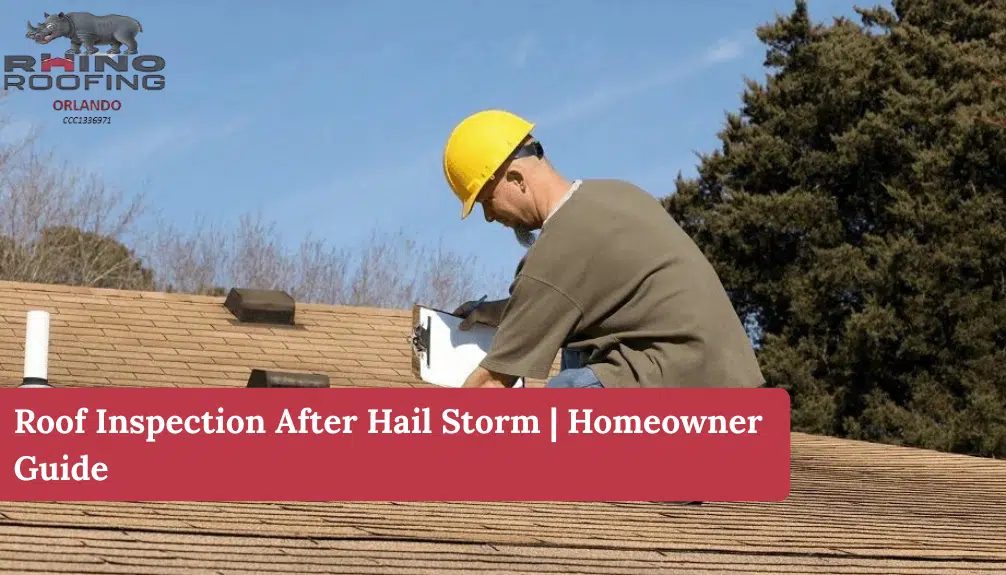
A professional inspection ensures no hidden damage is missed. Experienced contractors can determine whether roof replacement is needed. They also provide written estimates and detailed reports. Hiring a trusted local company gives you peace of mind. Rhino Roofing Orlando provides thorough storm damaged roof inspections and honest repair recommendations.
A reliable contractor will:
- Perform a full inspection
- Provide a written estimate
- Explain repair or replacement options
- Assist with insurance paperwork
Emergency roof repair after storm damage should not be delayed. Waiting can increase costs and reduce insurance coverage options.
Does Insurance Cover Storm Roof Damage?
Most homeowners insurance policies cover hail and wind damage. Coverage depends on your roof’s age and maintenance history. Your deductible and policy limits also affect the payout. Filing a claim quickly improves your chances of approval. Working with experienced contractors like Rhino Roofing Orlando can simplify the claims process.
Most homeowners insurance policies cover hail and wind damage. However, coverage depends on:
- Roof age
- Maintenance history
- Policy details
- Deductible amount
Some policies cover full replacement, while others only cover partial repairs. Contact your insurance provider quickly after discovering damage.
Cost of Storm Damage Roof Repair
Roof repair costs vary depending on severity and materials. Minor repairs may cost a few hundred dollars, while larger repairs can reach several thousand. Full storm damage roof replacement costs depend on size and roofing type. Labor, accessibility, and urgency also influence pricing. Getting a detailed estimate helps you plan financially.
- Costs vary depending on the type and severity of damage.
- Minor repairs such as replacing shingles may cost between 300 and 1,500 dollars.
- Moderate repairs affecting larger sections may cost 1,500 to 7,000 dollars.
- A full storm damage roof replacement can range from 10,000 to 30,000 dollars or more depending on roof size, material, and labor rates.
- Factors that influence cost include roof height, slope, material type, accessibility, and urgency.
- If insurance covers the repair, you may only need to pay your deductible.
Repair or Replace After Storm Damage
Deciding between repair and replacement depends on several factors. If damage is limited and the roof is fairly new, repairs may be enough. Older roofs with widespread damage may require full replacement. Replacement provides stronger protection and longer roof lifespan. A professional evaluation ensures the best long term solution.
In some cases, simple repairs are enough. In others, replacement is a smarter long term investment.
Repair is often best when:
- Damage is limited to a small section
- The roof is relatively new
- The structure remains strong
Replacement may be better when:
- Damage affects large areas
- Multiple leaks are present
- The roof is over 20 years old
- Shingles are worn or brittle
Storm damage roof replacement provides better long term protection and may increase property value.
Choosing the Right Roofing Contractor
After a major storm, many contractors may approach homeowners. It is important to choose a licensed and insured professional. Look for companies with strong reviews and clear contracts. Avoid paying full amounts upfront before work begins. Rhino Roofing Orlando focuses on quality workmanship and transparent communication to protect homeowners.
Choose a contractor who:
- Is licensed and insured
- Has positive customer reviews
- Provides written contracts
- Offers warranties
- Communicates clearly
Avoid paying the full amount upfront. Professional companies follow structured payment plans.
Preventing Future Storm Damage
Routine maintenance helps reduce storm related problems. Annual inspections identify weak areas before severe weather hits. Cleaning gutters prevents water backup during heavy rain. Trimming tree branches lowers the risk of impact damage. Investing in impact resistant materials improves long term protection.
- While storms cannot be avoided, preparation reduces risk.
- Schedule annual inspections to catch weak spots early.
- Trim tree branches near your roof to prevent impact damage.
- Clean gutters regularly to avoid water backup.
- Replace loose shingles promptly.
- Consider upgrading to impact resistant roofing materials for better protection.
- Proper maintenance extends the life of your roof and lowers future repair costs.
Conclusion
Storm damage roof repair is essential to keep your home safe and secure. Hail, wind, and heavy rain can weaken roofing materials quickly. Acting fast prevents interior damage and expensive repairs.
A professional inspection ensures accurate assessment and proper repairs. Rhino Roofing Orlando is committed to helping homeowners restore and protect their roofs after severe weather.