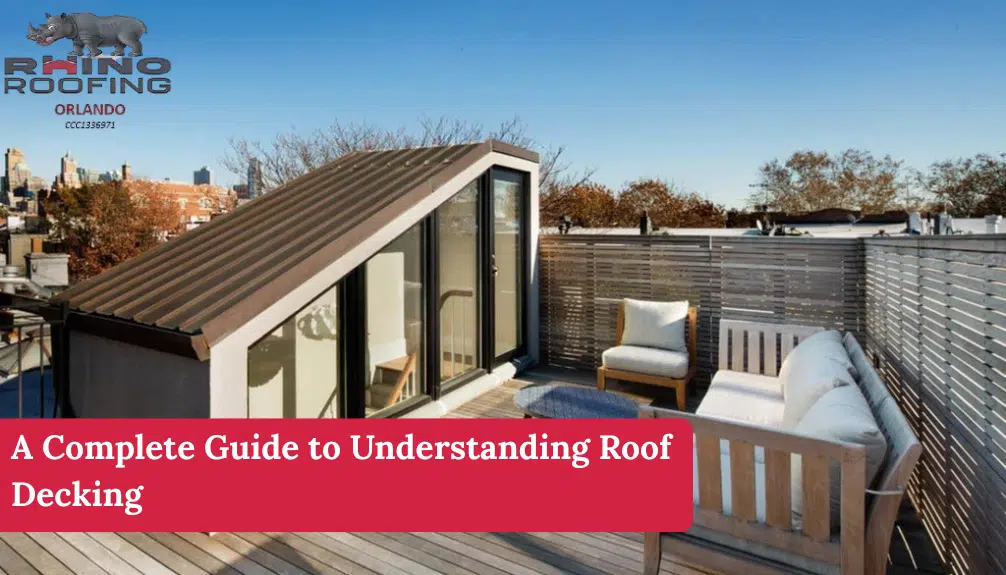
Roof decking is one of the most important, yet frequently overlooked, parts of a building’s structural system. If you’ve ever asked, “What is roof decking?” you’re not alone. Simply put, roof decking is the structural layer secured to the roof frame that serves as the base for roofing materials like shingles, tiles, metal panels, or green roofing systems.
A solid roof deck plays a critical role in maintaining your roof’s strength, weather resistance, and ability to handle extra weight such as snow accumulation, solar panels, or rooftop gardens. Understanding the meaning of roof decking and the different types available helps homeowners, builders, and architects make smarter choices that affect a building’s durability and overall safety.
In this guide, we’ll cover the definition of roof decking, explore common types and materials, outline the installation process, share practical maintenance tips, and point you toward additional resources for deeper insights..
What is Roof Decking?
Roof decking, also referred to as a roof deck, is essentially the structural base of a roof. It is installed over the framing of the roof, such as rafters or trusses, and serves as the surface on which roofing materials are laid.
The primary purpose of roof decking is to:
- Provide a solid foundation for roofing materials
- Enhance the roof’s overall strength and structural stability
- Serve as a base layer for waterproofing membranes and insulation
- Shield the building from environmental factors such as wind, rain, and snow
Pro Tip: Proper knowledge of what is a roof decking is critical. Choosing the wrong type or poorly installing a roof deck can lead to sagging, leaks, and costly repairs in the long run. Learn more about factors affecting roof leak repair.
Types of Roof Decks
Roof decking options differ based on the type of building, structural load demands, and design preferences. Below are the most commonly used roof deck types in modern construction.
Type F Roof Deck
- Material: Usually steel or metal
- Use: Common in industrial and commercial buildings
- Benefits: Lightweight, fire-resistant, durable, easy to maintain
- Drawbacks: Can conduct heat, requiring additional insulation
Other Common Roof Deck Types
| Type | Material | Advantages | Disadvantages | Common Use |
| Plywood | Wood sheets | Affordable, easy to work with | Susceptible to moisture and rot | Residential roofs |
| OSB (Oriented Strand Board) | Engineered wood | Cost-effective, uniform quality | Less water-resistant than plywood | Residential roofs |
| Concrete | Reinforced concrete | Extremely durable, fire-resistant | Heavy, requires strong support | Flat or industrial roofs |
| Steel | Metal panels | Fire-resistant, long-lasting | Can conduct heat, requires insulation | Commercial/Industrial roofs |
| Composite | Synthetic or recycled materials | Durable, lightweight, water-resistant | Can be more expensive | Residential & commercial |
Insight: The choice of roof deck type should consider roof deck meaning, climate, structural load, and intended lifespan. For detailed roof styles, see our guide on residential roof types.
Roof Decking Materials
Choosing the right roof deck material is crucial for durability, safety, and cost-effectiveness. Common materials include:
- Wood (Plywood & OSB): Affordable, easy to cut and install, commonly used in residential buildings
- Metal (Steel, Aluminum): Highly durable, fire-resistant, often used in commercial and industrial buildings
- Concrete: Extremely long-lasting, ideal for flat or commercial roofs
- Composite Materials: Engineered for water resistance, strength, and flexibility. Learn more about composite roof installation for modern alternatives.
Comparison Table: Roof Decking Materials
| Material | Durability | Cost | Maintenance | Best Use |
| Plywood | Moderate | Low | Medium | Homes and small buildings |
| OSB | Moderate | Low | Medium | Residential roofs |
| Metal | High | Medium-High | Low | Commercial & industrial buildings |
| Concrete | Very High | High | Low | Flat roofs, industrial buildings |
| Composite | High | Medium | Low | Residential & commercial |
Tip: Always consider local weather conditions and roof slope when selecting roof deck material. For instance, plywood may not be ideal for high-moisture areas.
Roof Deck Installation
Proper roof deck installation is crucial for structural integrity and longevity. Here’s a detailed step-by-step guide:
Steps for Roof Deck Installation
- Frame Preparation: Inspect trusses or rafters to ensure proper spacing and alignment. Check for any damage or warping.
- Material Selection: Choose the right decking materials based on type, load, and environmental conditions.
- Decking Attachment: Secure decking sheets using nails, screws, or welding (for metal decks). Proper alignment is essential.
- Sealing & Waterproofing: Install underlayment, membranes, or coatings to protect against moisture and water penetration.
- Inspection: Double-check installation, look for gaps, cracks, or weak spots before applying roofing materials.
Best Practices:
- Maintain consistent spacing between panels
- Use corrosion-resistant fasteners
- Apply a vapor barrier in humid or coastal regions
Some homeowners attempt deck roof installation themselves. Our full DIY roof installation guide covers key steps and precautions. Incorrect installation may cause roof sagging, leaks, and reduce lifespan of roof.
Deck Roof Systems
A deck roof system integrates the roof deck with insulation, waterproofing, and the roofing surface. These systems enhance both performance and longevity.
Benefits of Deck Roof Systems
- Adds structural support
- Improves thermal efficiency
- Supports rooftop installations like solar panels or gardens
- Reduces maintenance costs
Pro Tip: Choosing the right deck roof system can reduce energy costs and improve building resilience against weather. For long-term care tips, check our top roof maintenance tips.
Decking on a Roof
Decking on a roof isn’t just for support-it can transform your roof into a functional space. Many homeowners use decking for:
- Rooftop terraces and gardens
- Walkable access areas for maintenance
- Enhanced aesthetics for modern architectural designs
Advantages:
- Provides a safe, stable walking surface
- Extends roof lifespan by protecting structural layers
- Adds functional outdoor space for recreation
Tip: Select weather-resistant decking materials such as treated wood, composites, or metal to prevent damage over time. Learn how flat roofs can affect your costs in our flat roof repair cost guide.
Common Questions About Roof Decking
Q1: What is a roof deck?
A roof deck is the structural layer installed over the roof framing that supports roofing materials and ensures stability.
Q2: What materials are used for roof decking?
Wood, metal, concrete, and composite materials are commonly used. Each has different durability, cost, and maintenance requirements.
Q3: How long does roof decking last?
Lifespan depends on material and installation. Metal and concrete decks can last 50+ years, while wood decks typically last 20–30 years. Learn more about roof lifespan.
Q4: Is roof decking necessary for all roofs?
Yes. Even modern flat and green roofs require a proper roof deck to provide structure, support, and longevity.
Q5: Can a roof deck support additional loads?
Absolutely. Decks designed with sufficient load-bearing capacity can accommodate solar panels, HVAC systems, and rooftop gardens.
Maintenance Tips for Roof Decks
To maximize lifespan:
- Regularly inspect for water damage, mold, or rot
- Reapply protective coatings on wood decks every few years
- Remove debris to prevent moisture accumulation
- Address leaks immediately to prevent structural damage
Pro Tip: Proper maintenance extends the life of both your roof deck material and the roofing surface above it. Learn more about the roof replacement process.
Conclusion
At Rhino Roofing Orlando, we believe understanding what roof decking is is essential for anyone involved in construction, renovation, or home improvement. From the meaning of roof decking to its types, materials, and installation methods, every decision directly affects your roof’s performance, safety, and long-term durability.
We emphasize the importance of investing in high-quality materials, expert installation, and routine maintenance to ensure your roof remains strong and resilient. Whether you’re building a new roof or upgrading an existing one, having a clear understanding of roof deck definitions and best practices is the first step toward achieving a durable, long-lasting roofing system.

Romail Shah is a content strategist and web authority expert who works with Rhino Roofing Orlando’s licensed roofing team to create accurate, trustworthy guides on residential and commercial roofing in Central Florida. His article reflects real expertise and Florida-specific roofing standard