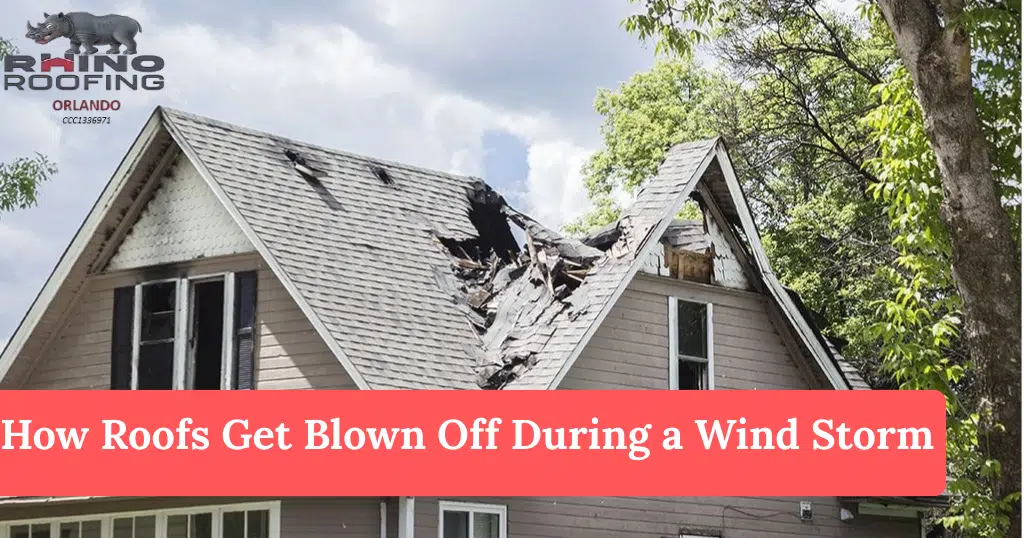
High winds are one of the most destructive forces homeowners face. Each year, countless roofs are damaged or completely destroyed, leaving families exposed to weather, water damage, and high repair costs. Understanding how and why roofs get blown off is critical for protection and prevention.
Whether you’re in a hurricane-prone area or occasionally experience strong wind storms, knowing the signs of vulnerability and taking proactive measures can save your home. In this guide, we cover everything from warning signs to prevention, repairs, and expert recommendations.
Why Roofs Blow Off in Wind Storms
Wind storms exert tremendous forces on roofs, which can lead to partial or complete roof failure. The primary cause is uplift pressure, created when wind flows over and under roof surfaces, literally trying to lift them off the house.
Factors that Intensify Uplift Pressure
- Roof Shape and Pitch: Steeper or irregularly shaped roofs may experience more suction in certain areas.
- Roof Edge Exposure: Edges and corners are especially vulnerable; wind can peel tiles or shingles from these points.
- Age and Condition: Old roofs with missing or loose shingles are far more likely to suffer catastrophic damage.
Common Warning Signs Your Roof Is at Risk
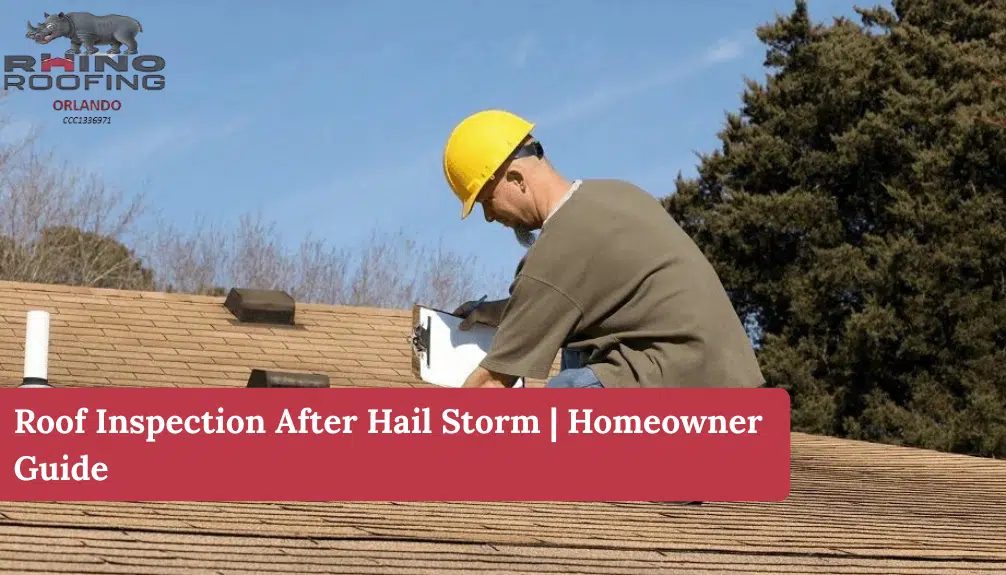
Inspect your roof after every storm for small issues. Even minor damage can quickly worsen in the next strong wind. Regular monitoring ensures you catch problems before they become severe.
Early detection is key. Look for these signs:
- Loose Shingles or Tiles: Easily lifted or missing shingles may signal potential failure.
- Roof Tiles Falling Off in Wind: Minor incidents now can escalate during stronger gusts.
- Sagging or Uneven Roof Areas: Indicates structural stress.
- Water Intrusion or Stains: May point to compromised underlayment.
- Previous Damage from Storms: Even minor past damage increases the likelihood of a roof coming off the house scenario.
Types of Roof Damage Caused by High Winds
Shingles and Tiles Lifting or Falling
High winds can loosen shingles or tiles. Once they start lifting, water intrusion becomes a risk. Homeowners often notice roof tiles falling off in wind, a warning sign of potential larger problems.
Roof Flying Off Completely
In extreme storms, entire roofs can detach from houses. This typically occurs in hurricanes or tornadoes when uplift forces exceed structural resistance. Images of homes with roof blew off scenarios underscore the importance of preventive measures.
Partial Damage Leading to Leaks
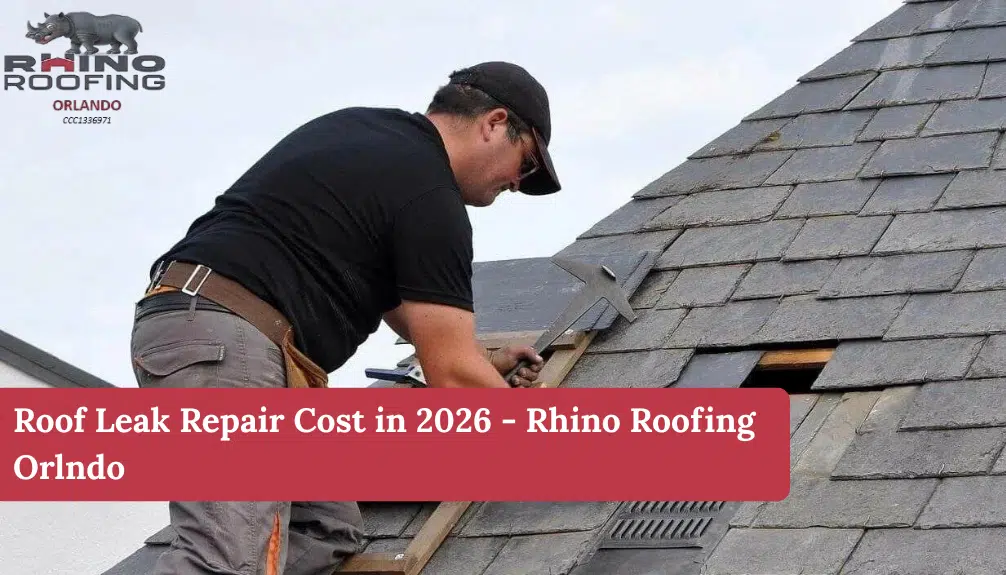
Even minor wind damage can create gaps, leading to leaks and eventual mold growth. Early roof repair is crucial to avoid more extensive damage.
Materials and Roof Types That Are Most Vulnerable
Not all roofs are equally at risk. Consider the local climate when choosing roof materials. Wind-prone areas may benefit from metal or reinforced asphalt shingles designed specifically for high-wind resistance.Certain materials and construction styles are more likely to fail in high winds:
- Asphalt Shingles: Common but can be lifted by strong gusts if not properly nailed.
- Clay or Concrete Tiles: Heavy but brittle; may break or shift, causing water leaks.
- Metal Roofs: Usually more wind-resistant but require secure fasteners.
- Flat Roofs: Can suffer from wind uplift along edges.
Expert tip: Combining quality materials with professional roof installation significantly reduces the risk of a roof flying off, as emphasized by experts at Rhino Roofing Orlando.
Factors That Increase the Risk of Your Roof Being Blown Off
Regular roof inspections after storms or extreme weather events can help identify hidden vulnerabilities that may not be obvious from ground level.
Key factors include:
- Age and Maintenance: Older, unmaintained roofs are the most vulnerable.
- Poor Construction Quality: Low-quality fasteners or weak attachment methods.
- Local Wind Patterns: Homes in hurricane or tornado-prone regions face greater risk.
- Tree Proximity: Overhanging branches can damage roofs during storms.
How to Protect Your Roof Before a Wind Storm
Preventive measures save money and protect your home.Even small reinforcements, like replacing nails with hurricane-rated fasteners, can dramatically increase wind resistance.
- Professional Roof Inspection: Identify weak points, loose shingles, and flashing issues.
- Reinforce Roof Shingles/Tiles: Use wind-rated fasteners and clips.
- Install Hurricane Straps or Clips: Anchor the roof to walls and framing.
- Trim Trees and Remove Debris: Prevent branches from hitting your roof.
- Seal and Reinforce Flashing and Edges: Especially around chimneys and vents.
Emergency Steps if Your Roof Gets Blown Off
Keep an emergency roof repair kit with tarps, nails, and ropes. Quick temporary fixes can prevent water damage and keep insurance claims straightforward.
If your roof is damaged:
- Ensure Safety: Evacuate if needed; avoid downed power lines.
- Document Damage: Take photos for insurance claims.
- Contact Professionals: Use licensed roofers for temporary and permanent repairs.
- Temporary Measures: Cover exposed areas with tarps to prevent water intrusion.
Insurance and Financial Considerations
Ask your insurer about windstorm add-ons or specialized coverage in high-risk areas. Proactive maintenance and documentation may lower your insurance rates over time.Understanding your coverage is key:
- Homeowner’s Insurance: Often covers wind damage, but check specifics.
- Documentation: Photos and professional assessment speed up claims.
- Preventive Measures Impact: Well-maintained roofs may reduce deductibles or premiums.
Long-Term Roof Reinforcement Strategies
Keep records of all upgrades and inspections. These documents provide evidence for insurance claims and increase the credibility of your maintenance efforts.
For areas prone to storms:
- Use Wind-Rated Materials: Shingles and tiles rated for high wind speeds.
- Upgrade Structural Support: Add hurricane clips, straps, or reinforcements.
- Routine Maintenance: Inspect roofs annually, especially before storm season.
- Professional Consultation: Engineers or certified roofers can recommend custom solutions.
FAQs
Q1: Can a roof really fly off in normal winds?
Yes, weak or damaged roofs can fail at moderate wind speeds.
Q2: How strong must the wind be to blow a roof off?
Most modern roofs can withstand 90–120 mph winds, but older roofs may fail sooner.
Q3: What should I do immediately if my roof blows off?
Evacuate safely, document damage, and contact insurance and professional roofers.
Q4: Can roof reinforcement prevent complete failure?
Yes, proper reinforcement and maintenance greatly reduce the risk of a roof coming off the house.
Q5: Do insurance policies cover roofs blown off in wind storms?
Most homeowner policies cover wind damage, but check your specific policy.
Q6: How can I check if my roof is vulnerable to high winds?
Look for loose shingles, sagging areas, or missing tiles and schedule an inspection.
Q7: Are metal roofs safer in wind storms?
Yes, properly installed metal roofs are generally more wind-resistant than shingles.
Conclusion & Takeaways
Strong winds can lift shingles, break tiles, or even blow off an entire roof. The key to preventing disaster is early detection, proactive reinforcement, and professional maintenance.
Recognize warning signs, secure your roof, and act before storms hit. Doing so can save thousands in repairs and protect your home from severe damage. Even small actions, like tightening loose shingles or inspecting after minor storms, compound to significantly reduce risk over time. For reliable inspections, expert advice, and peace of mind, homeowners should trust Rhino Roofing Orlando to protect their roofs from wind damage.
Protect Your Home – Book a Professional Roof Inspection Today with Rhino Roofing Orlando

Romail Shah is a content strategist and web authority expert who works with Rhino Roofing Orlando’s licensed roofing team to create accurate, trustworthy guides on residential and commercial roofing in Central Florida. His article reflects real expertise and Florida-specific roofing standard