If you’re seeing black sand-like grit in your gutters after a Florida thunderstorm, that’s not dirt.It’s your roof’s protective layer breaking down.In Orlando’s intense sun and storm climate, shingle granule loss is one of the earliest warning signs of roof failure. Left unchecked, it can lead to leaks, mold, structural damage, and even a roof coming off house sections during high winds.
According to roofing industry data, excessive granule loss is one of the top 5 predictors of premature roof replacement.
Let’s break down:
- What granule loss actually means
- When it’s normal vs. dangerous
- Repair and replacement costs in Orlando
- How to prevent thousands in damage
- When to hire a roofer
What Are Shingle Granules & Why Are They Critical?
Shingle granules are the rough, sand-like particles covering asphalt shingles. They protect the underlying asphalt from ultraviolet rays, fire hazards, and weather damage. Without these granules, shingles dry out quickly under Orlando’s intense sun.
Asphalt shingles are made of:
- Fiberglass mat base
- Asphalt coating
- Mineral granule surface layer
Those small, sand-like particles are your roof’s first line of defense.
What Granules Actually Do
| Function | Why It Matters |
| UV Protection | Blocks Florida sun from drying and cracking asphalt |
| Fire Resistance | Maintains Class A fire rating (required by Florida codes) |
| Water Shedding | Helps rain flow off instead of penetrating |
| Impact Protection | Absorbs minor hail & debris damage |
| Color & Curb Appeal | Gives shingles their finished look |
No granules = exposed asphalt = rapid deterioration.
Without granules, shingles dry out quickly in Orlando’s UV intensity. Cracks form. Water enters. Rot begins.
Normal Granule Shedding vs. Dangerous Loss
Some granule shedding is completely normal, especially after a new roof installation. Manufacturers apply extra granules during production, and loose excess washes off during the first few rains. However, bald spots, shiny fiberglass exposure, or heavy buildup in gutters indicate abnormal deterioration.
Not all granule loss is a crisis.
Normal Shedding
- Light loss on a brand-new roof
- Minor shedding after first few rains
- Moderate wear on 15–20 year-old roofs
Red Flag Warning Signs
- Bald, dark patches on shingles
- Shiny fiberglass visible
- Thick gutter buildup
- Color inconsistency across slopes
- Granule piles near downspouts
If you can see damage from the ground, it’s likely severe.
Why Orlando Roofs Lose Granules Faster
Granule loss exposes the asphalt layer to direct sunlight and moisture. Florida heat rapidly dries exposed asphalt, leading to cracking and premature aging. Once cracks form, water penetrates the underlayment and roof decking.
Florida weather accelerates roof aging more than most U.S. regions.
1. UV Radiation & Thermal Cycling
Orlando roofs endure:
- Extreme UV exposure
- 100°F daytime heat
- Nighttime cooling contractions
This daily expansion and contraction loosens granules over time.
2. Hail & Storm Impact
Pea-sized hail can:
- Knock granules loose instantly
- Create impact craters
- Weaken shingle adhesion
After major storms, many homeowners discover sudden heavy granule shedding.
3. Trees & Foot Traffic
Oak branches scraping shingles act like sandpaper.
Walking on hot shingles crushes granules.
Improper installation (excessive nail pressure) can also reduce lifespan.
4. Pressure Washing Damage
Pressure washing:
- Strips granules instantly
- Voids manufacturer warranties
- Accelerates roof failure
Rhino Roofing Orlando uses safe cleaning methods that protect your shingles.
What Happens If You Ignore Granule Loss?
Ignoring granule loss is like ignoring rust on a car, the damage spreads faster than you expect. Once granules fall off, the asphalt layer underneath is exposed to direct UV rays, heavy rain, and extreme heat.Think of granules as your roof’s skin.
When skin peels off, infection spreads.
Here’s what follows:
- Asphalt dries and cracks
- Water penetrates
- Insulation becomes saturated
- Mold spreads in attic
- Decking rots
- Insurance claims get denied
Insurance companies often deny coverage if pre-existing damage is visible.
Can Granule Loss Be Fixed?
There is no product that permanently restores lost granules. Once they wash away, they cannot be reattached. Minor isolated damage may be fixed with a shingle replacement costing $250–$600.
Here’s the truth:
Your Real Repair Options
| Damage Level | Solution | Orlando Cost Range |
| Small Scrapes | Shingle Patch | $250 – $600 |
| One Damaged Slope | Partial Replacement | $1,600 – $4,000 |
| Widespread Balding | Full Roof Replacement | $7,000 – $14,000+ |
| Active Leak | Emergency Tarping | $800 – $1,600 |
If you’re researching the average cost of new roof, Orlando pricing typically falls between $7,000–$14,000+, depending on:
- Roof size
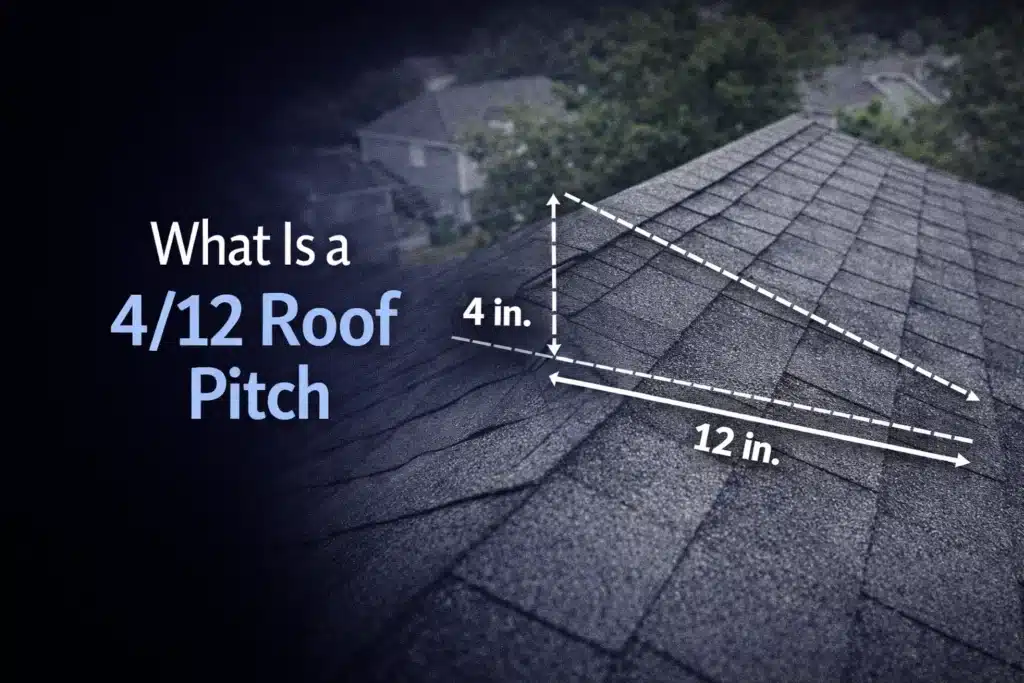
- Pitch
- Material quality
- Ventilation updates
- Deck condition
Five-Minute DIY Granule Inspection Checklist
You don’t need a ladder to identify early warning signs. Start by checking downspout areas for dark sand-like grit accumulation. Next, scan your roofline from the yard for color inconsistencies or shiny patches. Look inside your attic for musty smells or damp insulation.
You don’t need a ladder.
Step 1: Check Downspouts
Look for dark sand-like grit where water exits.
Step 2: Scan Roofline
From the yard, look for:
- Smooth reflective patches
- Discoloration
- Streaking
- Uneven appearance
Step 3: Inspect Interior
Check for:
- Ceiling stains
- Peeling paint
- Musty attic smells
Take photos for documentation and insurance.
If you’re unsure, it’s safer to hire a roofer for a professional inspection.
Prevention: Smart Maintenance Strategies
Preventing granule loss starts with annual professional roof inspections. Cleaning gutters regularly prevents water backup that strips granules. Trimming tree branches reduces abrasion during storms. Avoid pressure washing, which instantly removes protective layers.
Regular maintenance of the roof is far cheaper than emergency replacement.
Annual Professional Inspection
Have your roof checked once per year and after storms.
Keep Gutters Clean
Clogged gutters push water backward under shingles.
Trim Trees
Maintain 6-foot clearance from the roofline.
Improve Attic Ventilation
Heat trapped in the attic accelerates aging.
Address Algae Immediately
Moisture-holding algae speeds deterioration.
When Granule Loss Leads to Structural Risk
In severe cases, weakened shingles combined with wind uplift can contribute to sections of roof coming off house structures during hurricanes.Granule loss alone won’t cause blow-off but it weakens the system dramatically.
Florida building codes require strong adhesion, and once that surface protection is compromised, wind resistance declines.
When Should You Hire a Roofer?
You should hire a roofer immediately if:
- Bald spots are visible
- Granule buildup is heavy
- A storm recently hit
- You see interior water stains
- Shingles look shiny or smooth
Professional roofing contractors can determine whether:
- Spot repair is enough
- A slope replacement makes sense
- Full system replacement is necessary
Why Choose Rhino Roofing Orlando?
Rhino Roofing Orlando understands Florida’s aggressive weather patterns. We provide detailed inspections that identify granule loss before it becomes structural failure. Our nail-free emergency tarping system protects homes without adding new penetration points.
Granule loss is your roof’s warning light.
We provides:
- Free professional roof inspections
- Nail-free emergency tarping (weighted sandbag systems)
- Storm insurance claim assistance
- Honest, transparent estimates
- Fast emergency response across Central Florida
We serve:
- Lake Nona
- Dr. Phillips
- Winter Park
- Altamonte Springs
- Greater Orlando
We understand how Florida weather shortens single lifespan and how to protect your investment long-term.
Frequently Asked Questions
Is some granule shedding normal?
Yes. Minor shedding on new roofs is common. Heavy, ongoing shedding with bald spots is not.
Can I fix granule loss myself?
No. Once granules wash away, they cannot be reattached. Only shingle replacement fixes it.
Does insurance cover granule loss?
Storm-related damage is often covered. Aging and poor maintenance usually are not.
How much does roof replacement cost in Orlando?
Most asphalt shingle replacements range from $7,000 to $14,000+, depending on complexity and size.
Should I tarp my roof?
Tarps prevent leaks temporarily. They are not permanent fixes. Never nail tarps into shingles.
Final Thoughts:
Granule loss is your roof’s early warning system. Ignoring it accelerates deterioration and increases long-term costs. Florida’s sun, storms, and humidity make proactive roof maintenance essential. Regular inspections, proper maintenance of roof systems, and quick action after storms protect your investment. If you notice warning signs, contact Rhino Roofing Orlando for a free professional assessment today.
If you’re seeing black grit in gutters or bald patches on shingles, schedule a free inspection with Rhino Roofing Orlando today.

Romail Shah is a content strategist and web authority expert who works with Rhino Roofing Orlando’s licensed roofing team to create accurate, trustworthy guides on residential and commercial roofing in Central Florida. His article reflects real expertise and Florida-specific roofing standard