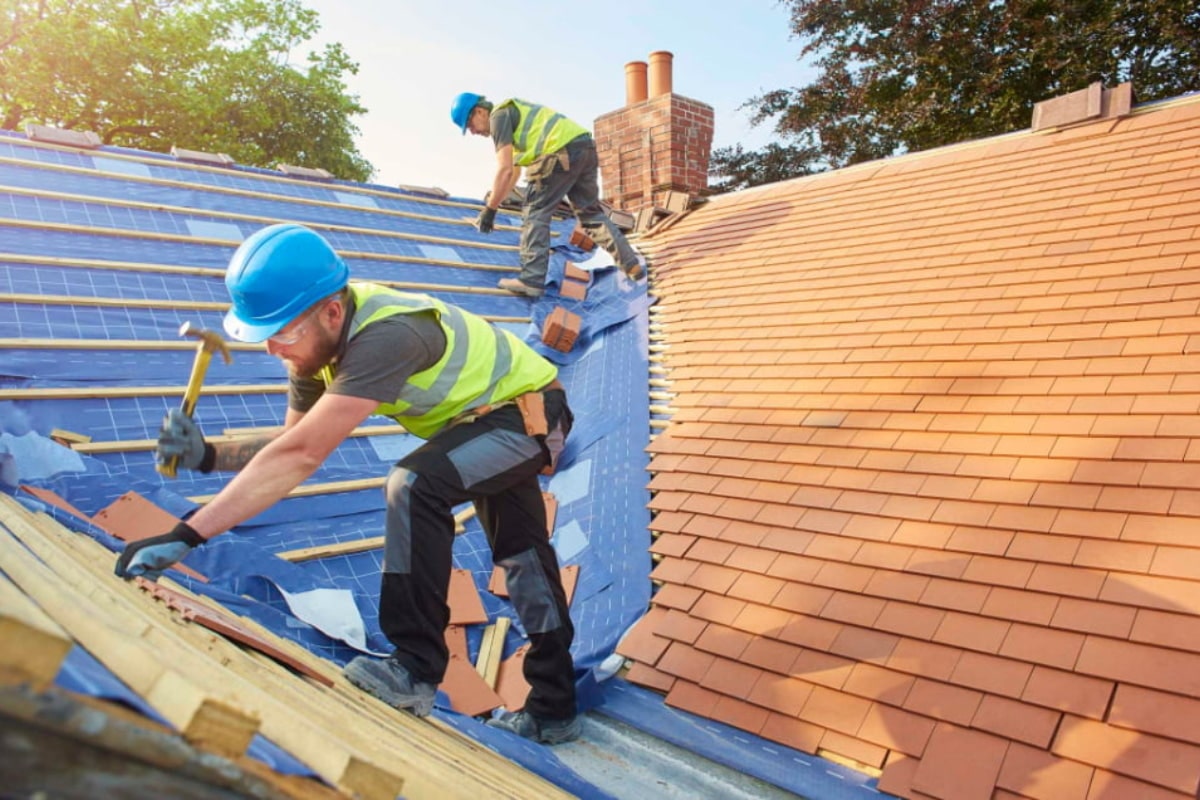
A leak or a few missing shingles raises the same question for every homeowner: is a roof repair enough, or is it time for a roof replacement? Sometimes a patch is the right call. On an older roof, or one that has already been patched several times, another quick fix may only push a bigger bill down the road.
This guide walks through the warning signs, when a repair makes sense, when replacement is the better value, and what Central Florida weather and insurance add to the decision.
Roof Repair or Replacement: The Quick Answer
Repair is usually the better choice when the damage is small, limited to one area, and the rest of the roof is still in good shape. Replacement is usually better when the roof is near the end of its life, leaks in more than one place, has widespread shingle or storm damage, or keeps needing repairs.
The cheapest option today is not always the lowest cost over time. A patch can be smart on a newer roof with one leak. On an aging Florida roof with heat wear, storm damage or failing underlayment, replacement often protects the home better and ends the cycle of repair bills.
Warning Signs to Check First
Before deciding anything, look at the roof’s condition. These are the signs that point to a problem:
Shingle problems and granule loss
Curling, cracked or missing shingles weaken the roof’s ability to keep water out. Granules collecting in your gutters mean the shingles are wearing down and losing their protection from sun and water.
Water stains and leaks
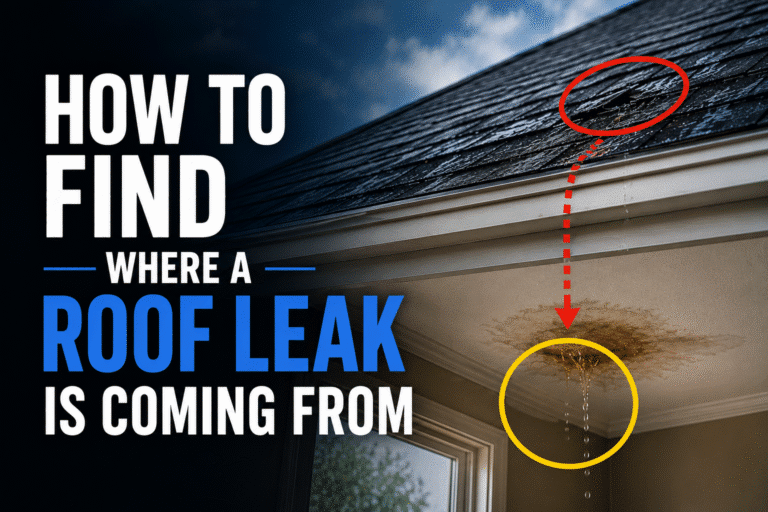
Stains on ceilings or walls mean water is getting past the roof. One small leak can often be repaired, but leaks that keep coming back usually point to a bigger problem. If water is already coming in, see how to fix a leaky roof.
Sagging
A sagging or drooping section often means rotted decking or weakened supports. That is a structural issue and needs attention right away.
Mold, moss or algae
Growth on the roof can mean moisture is trapped in the materials. Dealt with early it is usually manageable; left alone it can cause lasting damage.
The age of the roof
Age matters as much as any visible damage. A roof near the end of its expected life wears everywhere at once, even if only one leak shows. See how often to replace a roof in Florida for typical lifespans by roof type.
When a Repair or Patch Makes Sense
A patch is a localized repair. It fixes one damaged area instead of replacing the whole roofing system, and it is usually faster and less expensive than a replacement. Common examples:
- A few missing or cracked shingles
- A leak at one flashing area or around a vent
- A failed pipe boot or vent seal
- A nail pop that caused a small leak
- Wind or branch damage limited to one section of the roof
A repair is usually worth it when:
- The roof is still relatively new, so the shingles, flashing, underlayment and decking around the repair are still in good condition
- The damage is clearly isolated to one area
- The repair cost is small compared with the life the roof has left
Flashing and pipe boots are among the most common sources of roof leaks. Learn more about roof flashing repair and pipe boot repair.
What a patch does not solve
A patch does not reset the age of the roof. It also does not fix widespread material wear, old underlayment, poor ventilation, soft decking or leaks in several places. Base the decision on the roof’s condition, not just the price of the repair.
When Replacement Is the Better Call
Replacement becomes the smarter option when repairs only treat symptoms instead of the real problem.
The roof is near the end of its life
Older roofs often have wear across the whole surface, even when only one leak is visible. Look for:
- Curling or brittle shingles
- Heavy granule loss
- Faded or cracked materials
- Old underlayment or soft decking
- Leaks in more than one place
Leaks keep coming back
One leak can be repaired. Leaks that return, or show up in new places, usually mean the roof system itself is failing.
Repair bills keep adding up
If you are paying for repairs season after season, that money could be going toward a roof that solves the problem. At that point, repairs are buying time rather than fixing anything.
Storm damage is widespread
Florida storms can damage shingles, flashing, underlayment, roof edges and decking at the same time, and a small visible leak may be only part of it. Before you decide, read what to do after hail, wind or rain damage.
Repair vs Replacement: Side by Side
| Factor | Repair or patch | Replacement |
| Upfront cost | Lower | Higher |
| Best for | Small, isolated damage on a healthy roof | Widespread wear or an old roof |
| Timeline | Usually faster | Longer project |
| Long-term value | Good if the roof is healthy | Better if the roof is failing |
| Leak risk | Can return if the roof is old | Addresses the whole roof |
| Appearance | New materials may not match | Uniform new roof |
The short version: a repair is best for a specific problem on a healthy roof. Replacement is better when the roof system itself is wearing out.
How Orlando’s Climate Affects the Decision
Central Florida is hard on roofs. Strong sun dries out asphalt shingles and makes them brittle, so nearby shingles can crack during a repair and a patch may not hold as well. Heavy rain and humidity find weak points quickly and can lead to moisture, mold and rot. During hurricane season, wind can lift shingles and break tiles.
All of this makes small weaknesses grow faster here than in milder climates, which is why acting early matters.
Storm Damage and Insurance
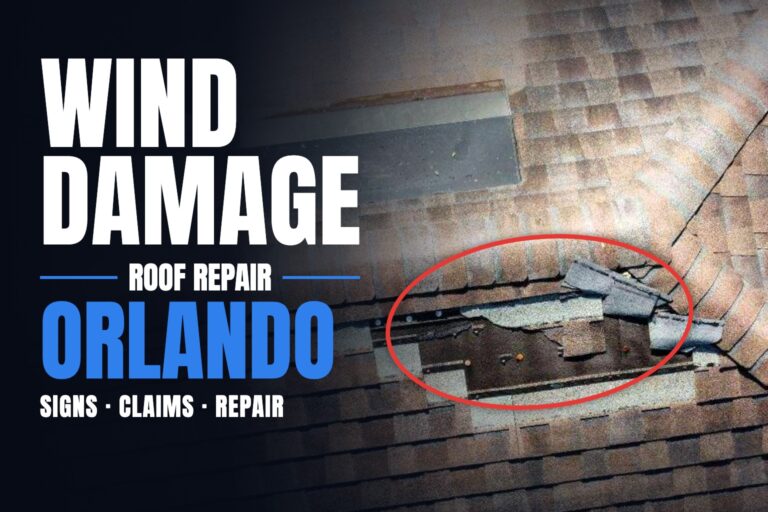
If a storm damaged your roof, your homeowners insurance may cover part or all of the repair or replacement, depending on your policy. Good documentation and a professional assessment of the damage matter when you file a claim. Our guide to wind damage roof repair covers what to do after a storm.
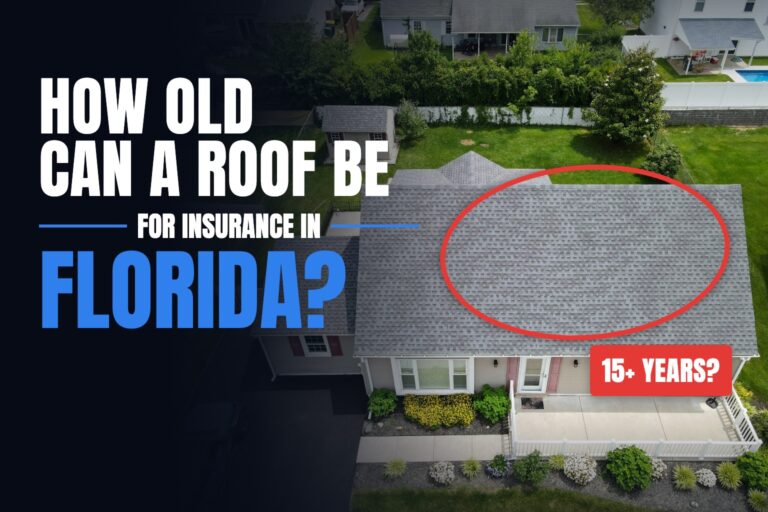
Roof age also affects insurance in Florida. If your roof is 15 years or older, see how old a roof can be for insurance in Florida before you decide between a repair and a new roof.
Repair Now, Replace Later
Sometimes a short-term repair plus a plan to replace the roof later makes sense. It protects your home now while you prepare for the cost of a new roof. A good roofer will tell you honestly whether a repair is buying you useful time or only delaying the inevitable.
What a Roofer Should Check Before Recommending Either
A good roofer should not recommend a replacement without looking at the whole roof, and should not patch blindly if there are bigger problems. A proper roof inspection covers:
- Roof age
- Where the leak is
- Shingle or tile condition and granule loss
- Flashing condition
- Underlayment and decking
- Moisture in the attic
- Storm damage
- Areas that were repaired before
Questions to ask before you decide
- How old is the roof?
- Is the damage isolated or widespread?
- Has this area leaked before?
- Are the shingles brittle, curled or losing granules?
- Is the decking still solid?
- How long is the repair likely to last?
- Would a replacement end the repair bills?
- Is storm damage involved?
If the answers point to age, repeat leaks or widespread damage, replacement is likely the better investment.
Get an Honest Answer for Your Roof
Rhino Roofing Orlando can inspect your roof, show you what we find, and tell you whether a repair will do the job or a replacement makes more sense. Schedule a free roof inspection to get started.
Frequently Asked Questions
Is it cheaper to patch a roof or replace it?
Patching is cheaper upfront, but replacement can cost less over time if the roof is old, failing or leaking repeatedly.
How long does a roof patch last?
It depends on the quality of the repair, the condition of the roof and the weather it faces. A patch on a healthy roof can last years, while a patch on an old roof may fail much sooner.
Can you patch a roof leak instead of replacing the roof?
Yes, if the leak is isolated and the rest of the roof is in good condition.
When should you not patch a roof?
Avoid relying on patches when the roof has widespread damage, several leaks, soft decking, heavy granule loss, or is near the end of its life.
Does storm damage mean the roof has to be replaced?
Not always. Minor storm damage can often be repaired, but widespread wind or hail damage may require a replacement.
Will a roof repair match the rest of the roof?
Not always. Older shingles fade over time, so new materials can look slightly different.